YouTube vs Spotify Podcast: Where Your Audience Really Listens
- delenzostudio
- Jan 23
- 6 min read

The podcasting landscape has undergone a seismic shift over the last few years. What began as a strictly audio-only medium has transformed into a multi-platform experience where video and audio often carry equal weight. For creators and small businesses, the primary dilemma is no longer just about what to say, but where to say it. The debate between YouTube and Spotify has become the focal point of digital content strategy, with each platform offering distinct advantages for discoverability, engagement, and monetization.
Choosing the right home for your podcast requires an understanding of how audiences behave on different platforms. While Spotify remains the king of the "passive listen," YouTube has become a champion of "active discovery." Facilities like Delenzo Studio are increasingly helping creators navigate this dual-platform reality by providing the high-quality production standards necessary to succeed on both. This article provides a comprehensive analysis of YouTube versus Spotify to help you determine where your audience is truly listening in 2026.
1. The Discovery Engine: Algorithms and Searchability
One of the most significant differences between the two platforms lies in their recommendation algorithms. YouTube is essentially the world’s second-largest search engine, owned by the largest. Its algorithm is designed to surface content based on user interests, search history, and "watch next" suggestions. This makes it incredibly powerful for new podcasts that haven't yet built a massive following. A single viral clip or a well-optimized title can expose your brand to millions of people who weren't specifically looking for a podcast.
Spotify, while improving its discovery features, still largely functions as a destination for intentional listening. Most users go to Spotify to listen to something they already know or to browse specific genres. While Spotify’s "Podcast Charts" and personalized playlists like "Your Daily Drive" help, they generally favor established shows. For a creator starting from scratch, the barrier to organic discovery is often lower on YouTube, provided the visual elements are compelling enough to stop the scroll.
2. Passive Consumption vs. Active Engagement
The context in which people consume your content varies wildly between these two platforms. Spotify is the preferred choice for multi-taskers. Listeners tune in while commuting, exercising, or performing household chores. This "eyes-free" consumption leads to high completion rates; if someone starts a 40-minute episode on Spotify, they are statistically more likely to listen to the end because the podcast is a companion to their primary activity.
YouTube, conversely, demands active engagement. Even with the "background play" feature available to Premium members, the majority of YouTube users are watching the screen. This allows for a deeper level of connection through body language, visual aids, and brand aesthetics. However, it also means your content must be visually stimulating to prevent the viewer from clicking away. When creators utilize a professional studio near me to ensure their lighting and set design are top-tier, they significantly increase their chances of retaining these active viewers.
3. SEO Benefits and the Global Digital Footprint
From an SEO perspective, YouTube has a clear edge over almost every other social platform. Every word in your title, description, and even the auto-generated captions is indexed by Google. This means your podcast episodes can appear in standard Google search results, driving traffic from outside the platform itself. This creates a "long-tail" traffic effect where an episode recorded years ago can still generate leads today.
Spotify has introduced more robust search features, including transcript-based search, but it remains a "walled garden" to some extent. Its SEO impact is largely contained within the app. For brands focused on a broad digital footprint, the cross-platform searchability of YouTube is a massive asset. However, Spotify’s integration with social media sharing—specifically Instagram Stories and Facebook—is superior, allowing for a more seamless "tap to listen" experience for mobile users who are already in a social mindset.
4. Monetization and Revenue Streams in 2026
The financial side of the YouTube vs. Spotify debate depends heavily on your specific business model. YouTube’s AdSense program is a mature system that pays creators based on views, but it often requires a very high volume of traffic to become a primary income source. Additionally, YouTube allows for "Channel Memberships," "Super Chats," and direct integration with merchandise stores, making it a robust e-commerce tool.
Spotify offers "Spotify for Podcasters," which includes tools for automated ad insertion and listener subscriptions. One of Spotify’s strengths is its "Ambassador Ads" and the ability to target specific demographics through their proprietary ad network. For creators with a niche but loyal audience, Spotify’s subscription model might yield higher revenue per listener than YouTube’s broad ad-based model. Furthermore, Spotify's move into audiobooks and "locked" content provides additional layers for creator monetization.
5. Technical Infrastructure and Production Quality
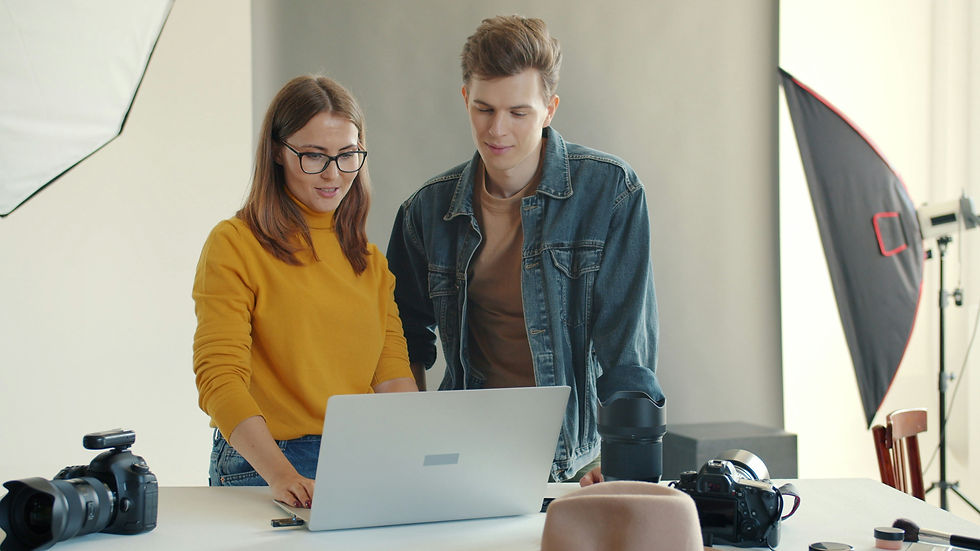
The "barrier to entry" is technically higher for YouTube. While you can record a high-quality audio podcast with a single microphone and basic software, a successful YouTube podcast requires cameras, lighting, set design, and video editing expertise. The expectation for visual quality has risen; audiences are less likely to watch a "floating head" video recorded on a grainy webcam in a cluttered room.
This is why many professional podcasters choose to record in a dedicated recording studio where the technical infrastructure for both high-end audio and 4K video is already in place. Having a professionally treated room ensures that the audio is crisp and free of echo for Spotify listeners, while the studio environment provides a polished, authoritative backdrop for YouTube viewers. This dual-purpose production saves time and ensures the brand looks as good as it sounds.
6. Community Building and Listener Interaction
YouTube’s comment section is a double-edged sword, but it is a powerful tool for community building. It allows for real-time feedback, Q&A sessions, and a level of direct interaction that Spotify is only beginning to emulate with its "Polls" and "Q&A" features. This interaction signals to the YouTube algorithm that your content is engaging, further boosting your reach.
Spotify is traditionally more of a one-way broadcast, creating a relationship that feels more intimate and private. For some creators, this lack of public commentary is a benefit, as it protects the "vibe" of the show from potential negativity. However, for brands that thrive on community feedback and user-generated content, the "social" nature of YouTube is often the deciding factor.
7. Analytics: Measuring Success Beyond Downloads
Both platforms offer deep analytics, but they measure success through different lenses. YouTube provides data on click-through rates (CTR), average view duration, and "audience retention" graphs that show exactly where people stopped watching. This allows creators to edit their future episodes for better pacing.
Spotify offers insights into "listener starts," "streams," and unique listeners, with a heavy emphasis on geographic data and musical tastes. Understanding these metrics is vital for growth. If your YouTube retention drops at the 5-minute mark, you know you need to change your visual pacing. If your Spotify listeners are concentrated in a specific city, you might consider a live show or a local sponsorship in that area.
8. Accessibility and User Habits
Spotify’s lightweight data usage makes it a favorite in regions where high-speed internet is expensive or unreliable. It is a truly global platform that reaches people in their cars, on their watches, and through smart speakers. The "offline listening" feature is also more intuitive on Spotify for most users.
YouTube is the destination for the "visual learner" and younger demographics—specifically Gen Z and Alpha—who use YouTube as their primary source of information. If your target audience is looking for "how-to" content or visual demonstrations, YouTube is the clear winner. If your audience is professionals who consume content while working or commuting, Spotify should be your priority.
9. The "Video Podcast" Hybrid Strategy
By 2026, the most successful strategy is "platform-agnostic" production. This involves recording a high-quality video session and distributing the full video to YouTube, the video-enabled version to Spotify, and the audio-only version to Apple Podcasts.
This hybrid approach ensures that you aren't leaving any audience segment behind. You capture the search traffic from Google/YouTube, the passive listeners from Spotify, and the social sharers from Instagram. While it requires more effort in post-production, the dividends in reach and brand authority are worth the investment.
10. Conclusion: Where Does Your Audience Really Listen?
Ultimately, the choice between YouTube and Spotify isn't an "either/or" proposition. Your audience likely uses both platforms for different reasons throughout their day. They might watch a clip of your podcast on YouTube during their lunch break and then listen to the full episode on Spotify during their drive home.
The key to growth in 2026 is meeting the audience where they are with content that respects the platform's format. High-quality audio is the baseline, but the addition of high-quality video is the differentiator. By focusing on professional production and strategic distribution, you can turn a simple conversation into a multi-channel growth engine for your business.


Comments